Character & Panel Generator
A local MCP server that maintains character consistency in your webcomic. Create your character concept sheet, either by feeding your AI assistant your own references and drawings first, or through prompting. Then generate your panels via a storyboarding workflow.

How this all began
Personally, I draw as well as write. I am aware that my art is awful, but I do take pride in creating my own work without using AI. However, when discussing story concepts and swapping ideas with my good friend, Avery Krushall, I suddenly had an epiphany.
Not all writers can draw, or have the time to pick up drawing skills and practice the craft. But there are many writers who would love to see their story come to life as webcomics, much like the mass-produced manhuas from Tencent's Studio (funnily enough, they're often derided as slop). So I was thinking... what if I help these writers fulfil their dreams by providing an MCP server or platform that can help adapt their beloved stories into actual webcomics? Avery, for example, had generated a ton of character concept sheets with ChatGPT, and they looked amazing, but he wasn't able to turn them into a proper webcomic yet. What if I help him with that?
I knew it was possible. Tencent, Kuaikan and other big Chinese studios have been producing mass AI manhuas (the notorious Daxia Swordsman being one of them), and for all of the accusations of slop, they were able to produce consistent characters and coherent narratives from a stable set of assets. So why couldn't I do the same?
Thus, this Character & Panel Generator MCP server was born.
Character consistency
Prior to this project, I did some research, and I discovered that character consistency was one of the main stumbling blocks to drawing a webcomic using AI. Midjourney appears to be great at this, but it is an additional subscription on top of whatever AI client the users are already using, and it's very specialized.
Given that I'm already building MCP servers, I thought, why not build another MCP server and expand my webcomic ecosystem, to make it usable for writers as well? Cater not just to artists, but to webnovel authors who dream of seeing their work take the stage in webcomic form.
One of the priorities was to ensure character consistency, because if they show up wearing different clothes or sporting a different appearance in the next panel, it'll cause a continuity error. Or worse, they'll show as a different character entirely.

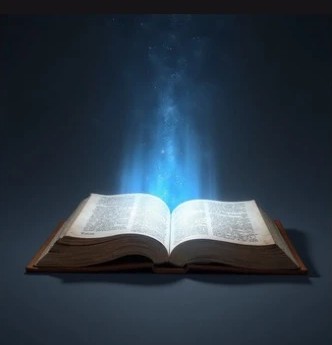
Your very own webcomic assistant
My MCP server works by wrapping a local ComfyUI + FLUX pipeline, runs entirely on your own machine, and is the character-domain sibling of the Webcomic Background Generator's World Builder.
You begin by first registering whatever reference art you already have — commissioned, AI-generated, or one good drawing — into a Character Bible. Or you can generate the Character Bible from text description, iterating until your AI client generates a character you're satisfied with, which you can then register. From there, the server generates new poses, e.g. back views, 3/4 views, and closeup expressions, and compiles them into finalized character concept sheets.
Character concepts
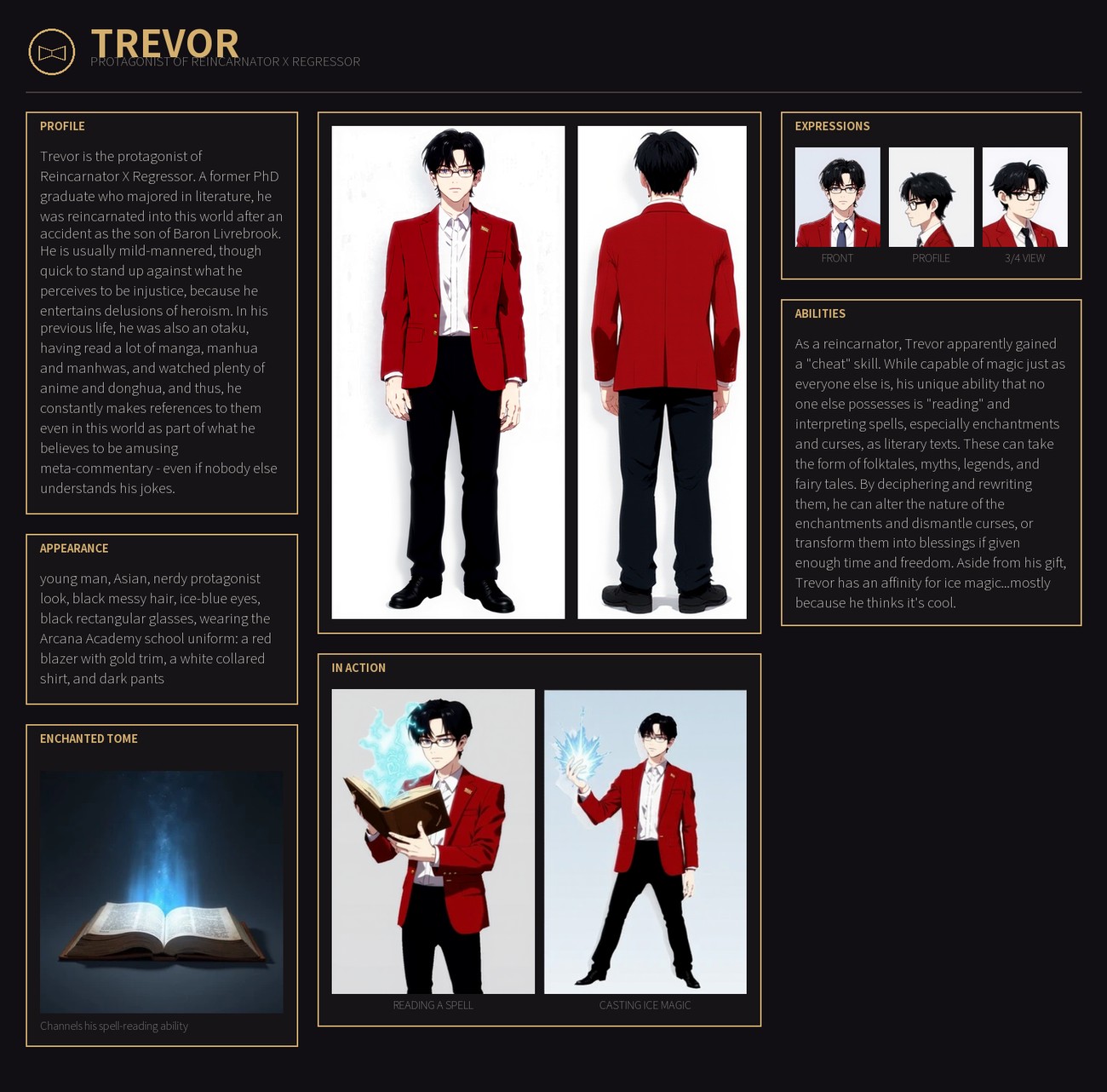
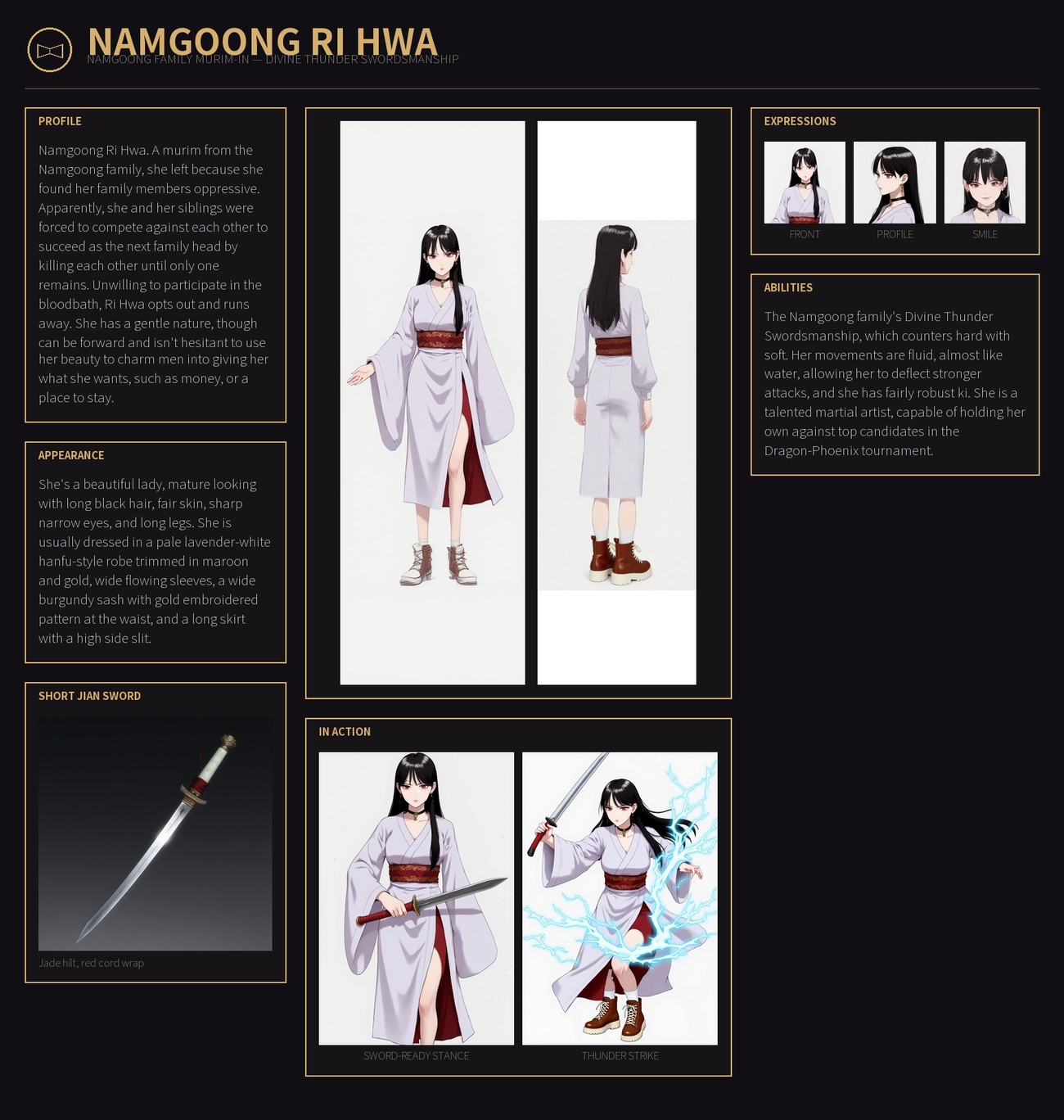
Each character gets their reference sheet — front, back, expressions, props, an action pose — and that sheet becomes the source of truth for every webcomic panel that will be generated henceforth.
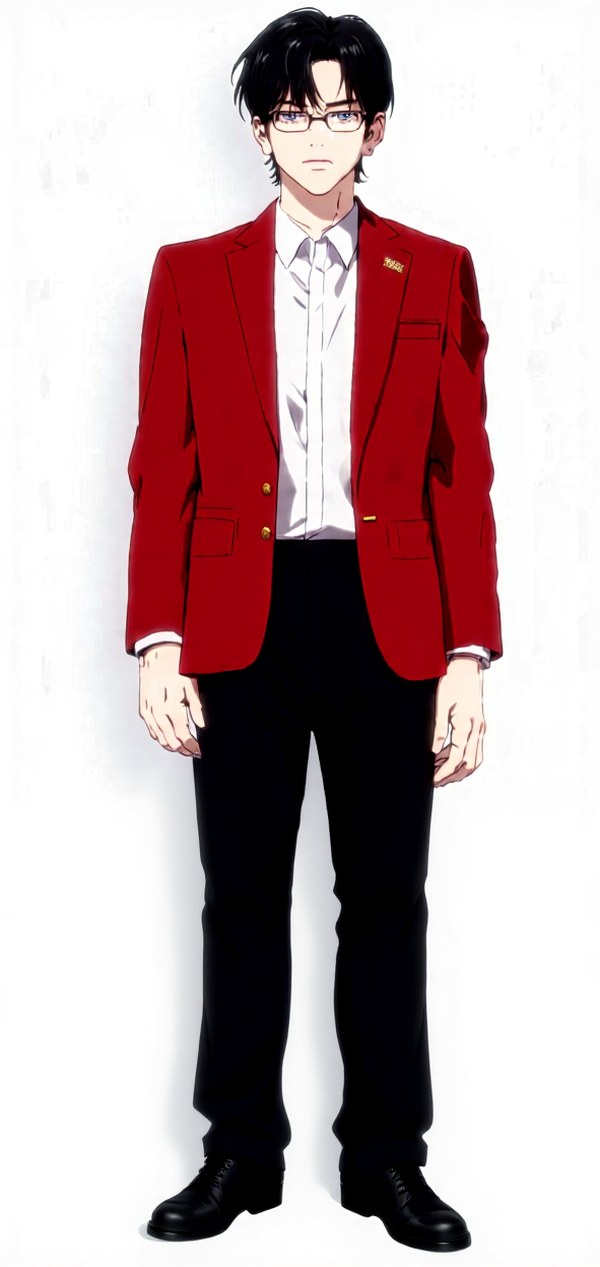
Trevor was generated based on my own illustrations (refer to my Reincarnator x Regressor page), while Namgoong Ri Hwa was generated purely from text (a written description). The profiles, appearance and abilities were all manually written by me. I would suggest you write these yourself, not have the AI generate everything for you... because they are your characters.
How it works
The Character Bible
A per-project registry holding each character's description, an ordered list of reference images, and provenance — which approved sheet each reference was cropped from. Projects namespace characters per comic, so a crossover can pull from two of them without either one's canon leaking into the other.
Identity comes from art, not from a prompt
FLUX Kontext takes an approved reference sheet — or an already-finished panel — as a latent conditioning input, so a new pose is generated from the existing art rather than from a description of it. The registered art is the ground truth, and this is the only identity mechanism: no tiers, no fallbacks. One constraint follows from it and shapes everything downstream — one reference binds to one generation. Two characters in one image would need two references, which the mechanism can't do; attempts produce attribute bleed. So multi-character panels are generated as solo figures and composited.
The trade-off worth naming
Conditioning on art and controlling the camera are mutually exclusive in a single pass.
edit_character_image conditions on the character's real art, so the likeness holds —
but framing and body angle are inherited from the reference and ignore instructions.
generate_character_pose pins structure via ControlNet — but has no image identity
input, so the likeness drifts. You choose per generation. For finished panels the reference-driven
path wins, and direction is handled by generating a turnaround sheet first, then conditioning on
whichever view you need out of it.
Genuine back views
Reference sheets are almost always frontal, and prompting for a back view doesn't work — nothing in the conditioning unambiguously says this is the back, so results relax toward front or profile. Around twelve tuning configurations confirmed that the hard way. The answer is a turnaround-sheet LoRA running on Kontext: one reference image in, a multi-pose sheet out, including a genuine back view with the likeness intact.
Correcting hand-drawn anatomy
Feed a rough sketch through lineart ControlNet and the model redraws it with correct anatomy while keeping the composition you drew. The human decides staging; the tool fixes proportions.
Validation as a gate, not a suggestion
A checker exits non-zero if a reference is missing, if an unregistered image is lurking in a character folder, or if the primary reference can't be traced back to an approved sheet. That check exists for a reason: a silently wrong reference once propagated a character's wrong hair colour through thirteen panels before anyone noticed.
Compositing is separate from generation
Cutout, placement, panel assembly and strip layout are deterministic CPU operations — instant to iterate, no GPU, no tokens. Only generation is expensive. "Move her two hundred pixels left" should never cost a re-render, and here it doesn't.
The photorealism bug was one sentence in the prompt
FLUX kept returning photorealistic people despite a manhwa style LoRA at full strength. The cause wasn't the model or the LoRA — it was one inherited prompt fragment reading as photography: "studio backdrop, simple even lighting, clean sharp edges." Replacing it with wording that names only the medium, on a fixed seed, took the same generation from 857 distinct colours to 382 — flat colour quantises hard, which is the cel-shading signature — and from photoreal to clean cel-shaded manhwa. The sibling background server measured the same failure from the other direction: mood words like "dim lighting" and "cinematic" dragged its plates into semi-realistic murk.
Half this server's code was deleted on purpose
This started out built around a three-tier identity ladder — img2img, then IP-Adapter, then baking a LoRA per character — all of it existing to make one tool hold a likeness. Then Kontext arrived, conditioned on a reference image directly, and made the whole edifice redundant. The 3D pose machinery went for a sharper reason: it fed a tool with no image identity input, so once IP-Adapter was gone, a structurally perfect back view was a correct pose of nobody in particular — useless as a reference for a specific character. The migration removed 2,735 lines and took the server from 22 tools to 17. The ones that survived are the ones that earned it.
Storyboard
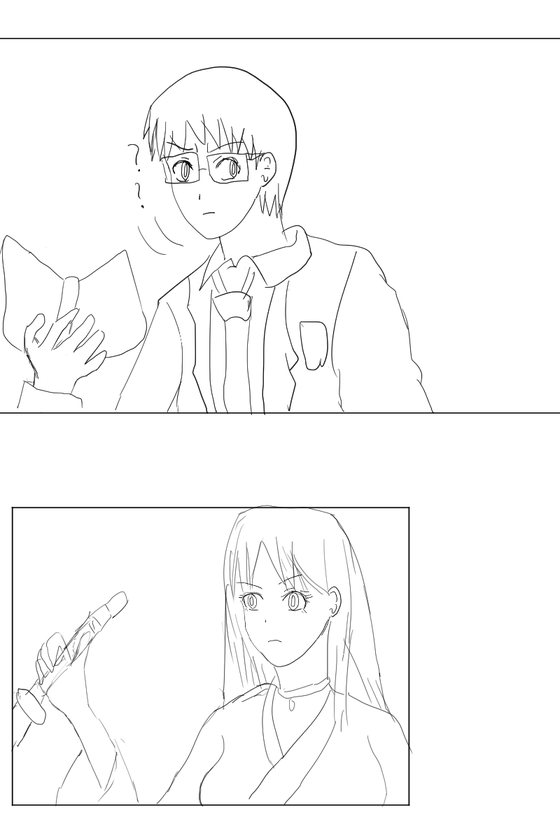
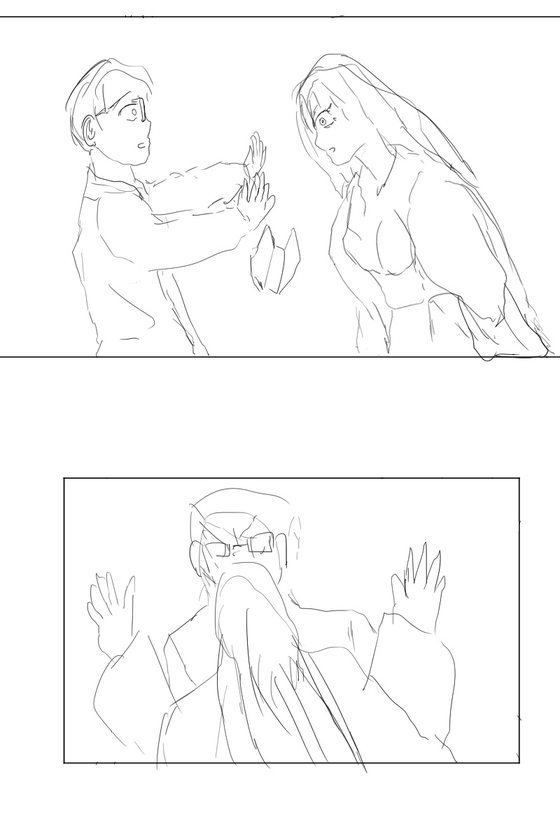
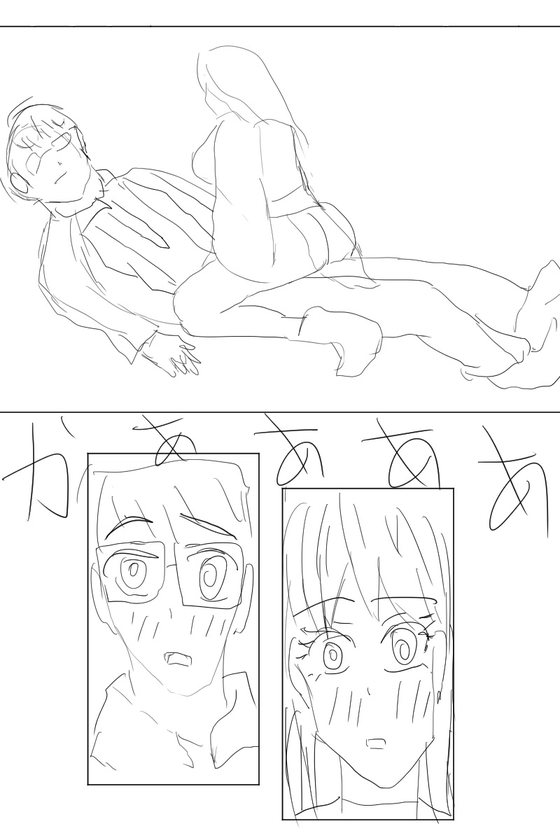
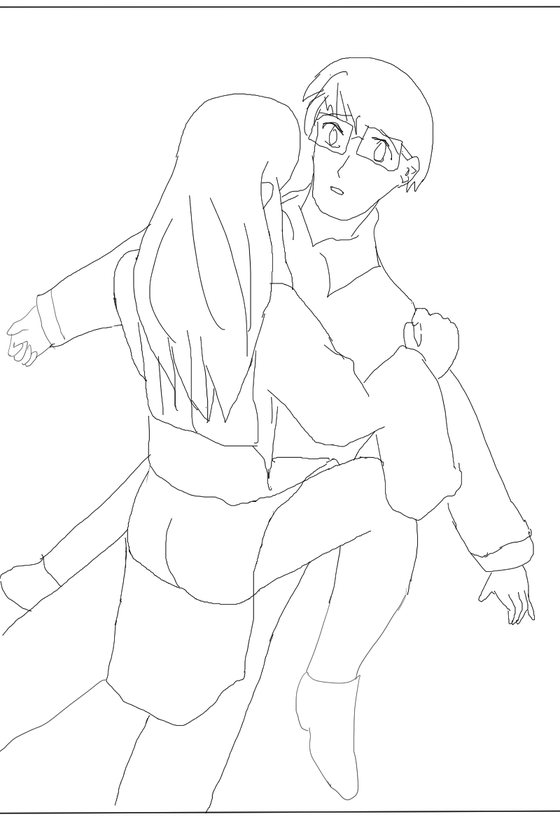
To save yourself from pain, I highly recommend you storyboard the whole scene manually. You don't need to be an artist to do this — rough sketches (even stick figures) are fine. The point is the composition, the poses you want, the camera angles, perspectives, scale, and even the size of the panels themselves.
Like I said, AI is not here to replace humans. We are the storytellers, we direct, we instruct. AI assists. This is your story that you're adapting to a webcomic. Let's keep it that way.
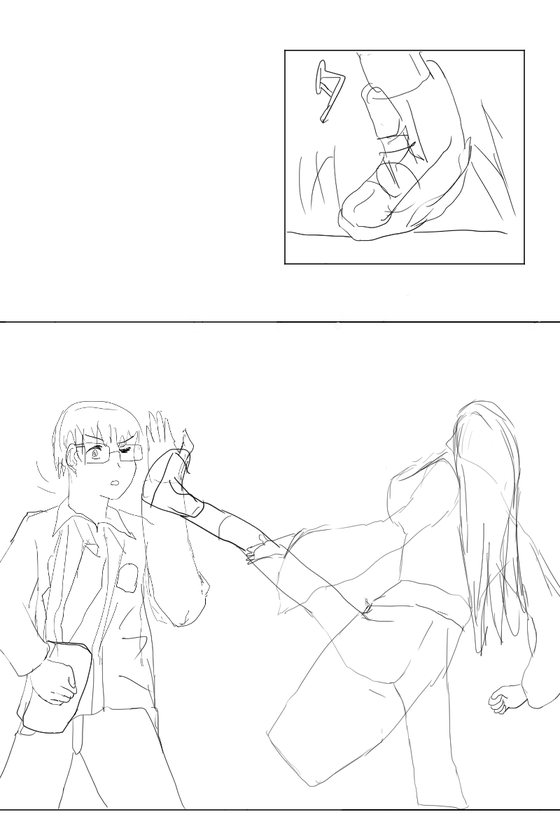
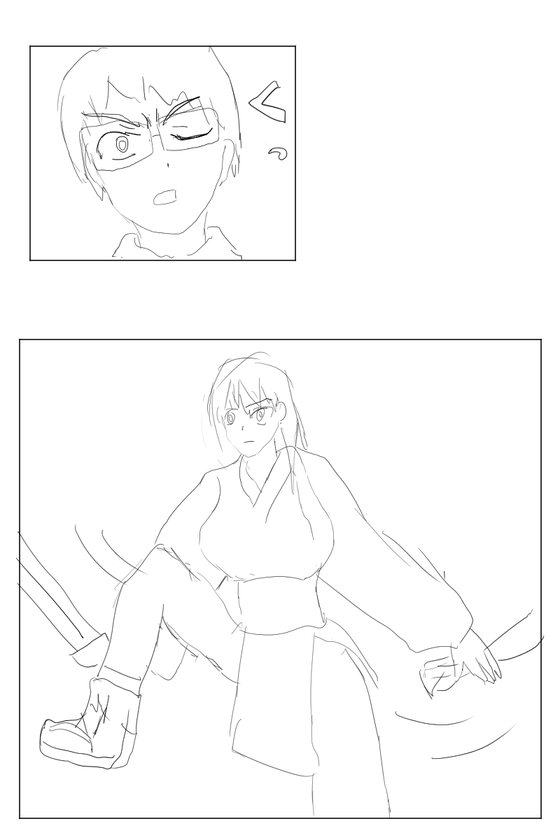
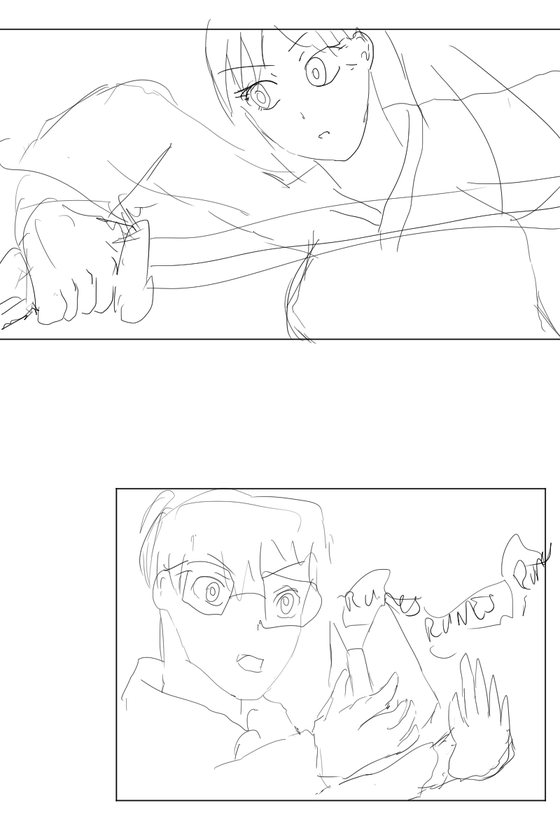
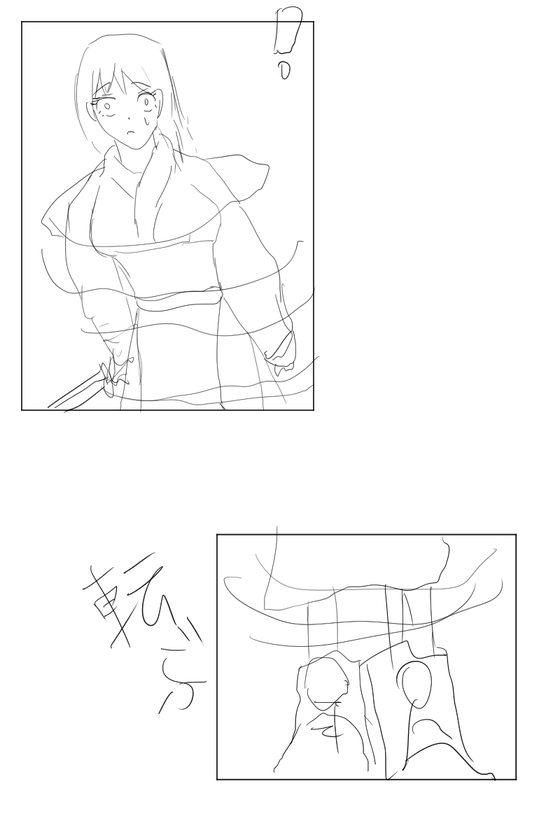
Not smooth-sailing
Through trial and error, I managed to generate the panels, but... yeah, it's not perfect. I'll be honest with you. Currently, AI is still best as an assistant. You'll still need to do some manual cleanup yourself — I had to erase extra fingers, add missing fingers, rotate, polish shadows, resize characters, and more. And even then, it's not perfect. You'll notice that Ri Hwa's boots are different in one of the panels. Sigh.
Worse, while Claude was able to generate solo panels successfully, the contact panels were where everything went wrong. Trevor and Ri Hwa often fused, or looked weird and deformed, and in the end, the solution was for Claude to generate them separately, then I manually composited the both of them in a single panel.
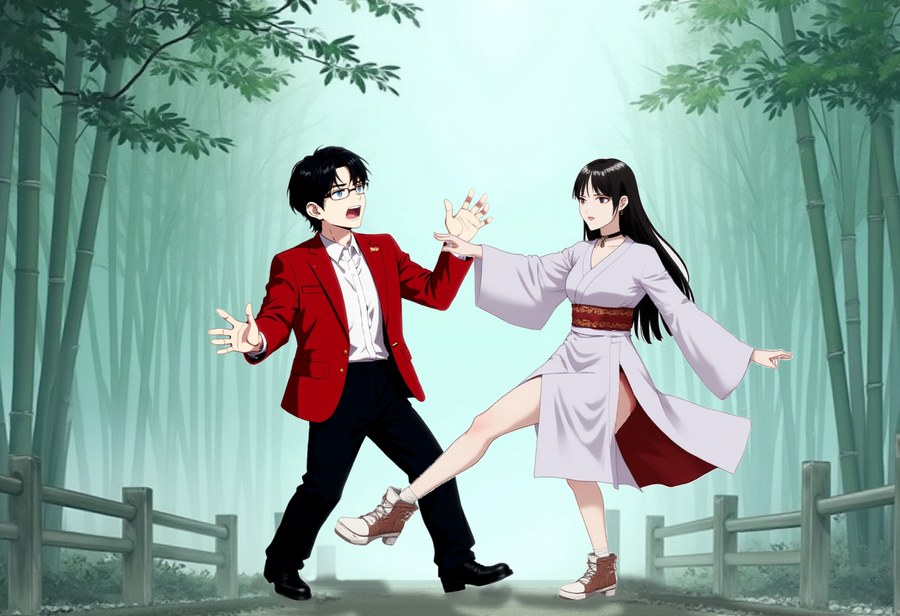


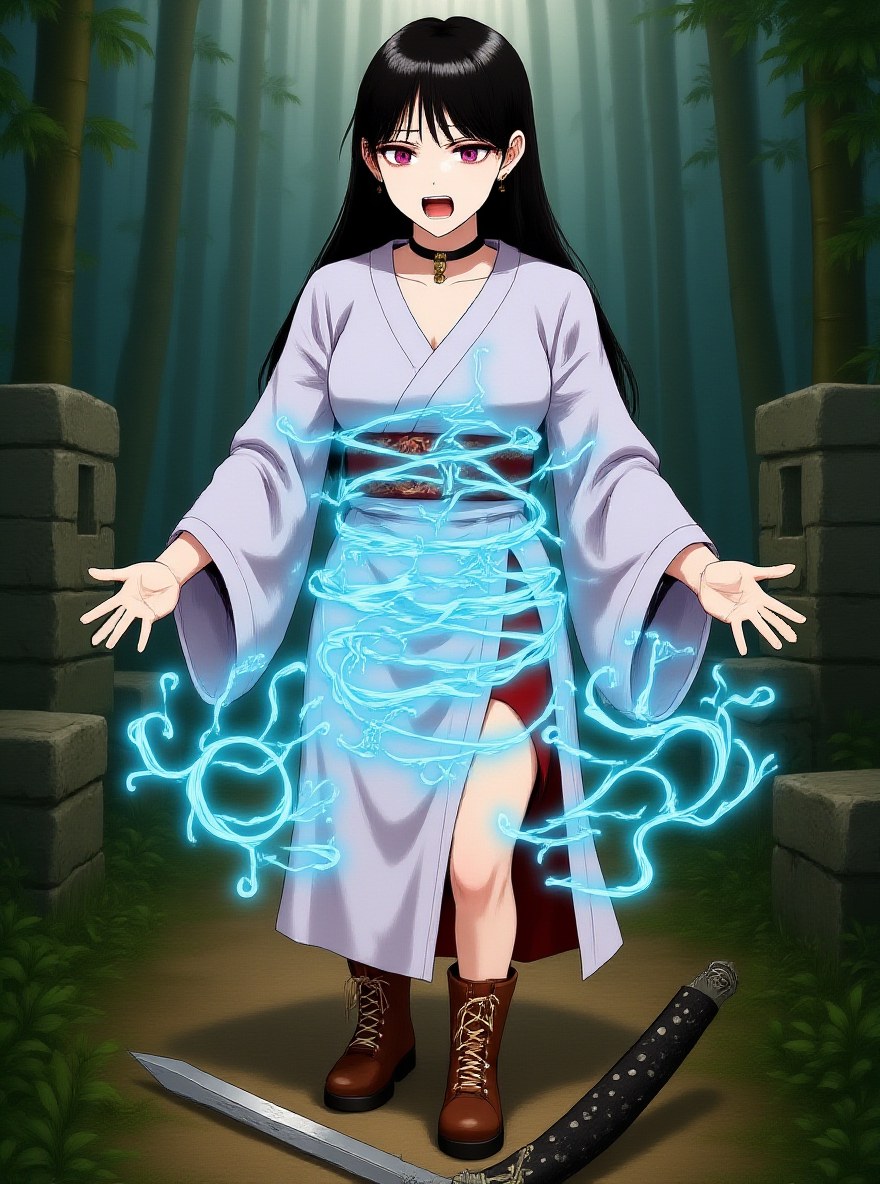

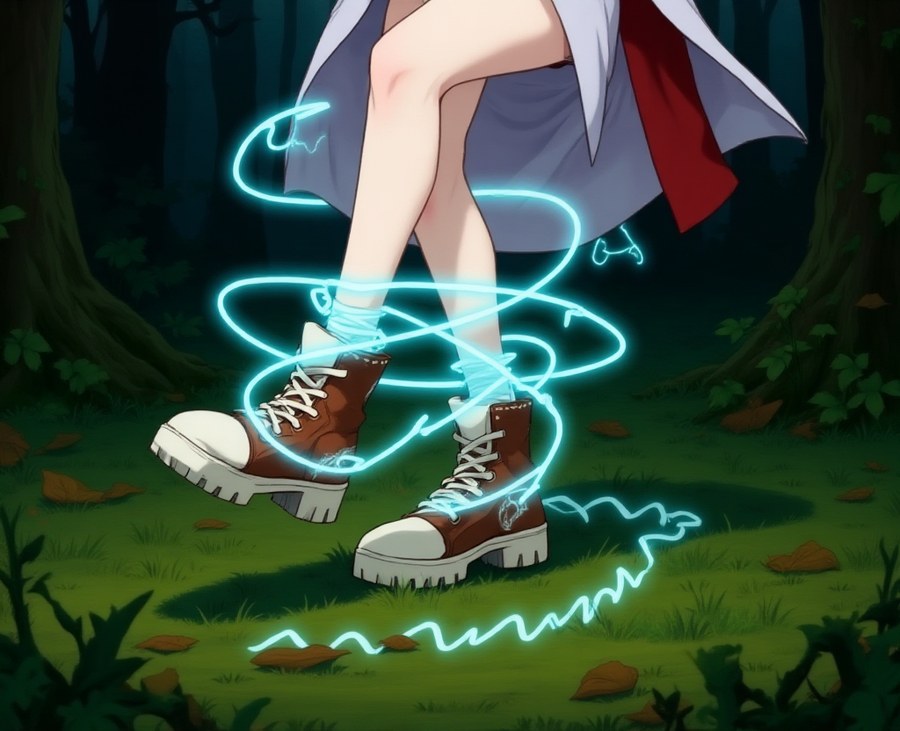


A matched pair. Two separate generations, two different characters, cropped and lit to sit side by side in the same beat — and laid out as two panels side by side, the one exception in a strip where every other panel stacks vertically.
An actual webcomic
As you can see, I succeeded in creating a short webcomic strip. The fifteen final panels were combined into a single vertical strip, in the same format a webtoon reader usually scrolls through.
This is also the first real test of creating a proper comic reader on this site.
Read →Seventeen tools
| Bible |
register_character, get_character, list_characters,
forget_character, list_projects
|
| Concept genesis |
generate_character_concept, crop_reference,
generate_reference_sheet, generate_turnaround_sheet,
compose_reference_sheet, compose_full_reference_sheet — for getting
a character into the bible from nothing, from a composite sheet, or from a single drawing
|
| Posing | generate_character_pose |
| Finishing |
edit_character_image, apply_gradient_background,
apply_vfx_overlay, compose_panel
|
| Health | check_status |
Under the hood: Python, FastMCP over stdio. Local ComfyUI driving FLUX.1-dev and FLUX.1 Kontext dev, both GGUF-quantised to fit a 6 GB laptop GPU, with a manhwa style LoRA and a turnaround-sheet LoRA, plus ControlNet Union Pro 2.0 for lineart and pose control. Compositing — cutout, placement, panel assembly, vertical-strip layout — is deterministic CPU work: no GPU, instant to iterate. Roughly four minutes per generation.
What I learned
Though I set out to create a webcomic creation pipeline for writers, I realize that in the end, you still cannot rely completely on AI to create a webcomic for you. As I built the MCP server, going through countless iterations and wasted seeds, I realized it was far more efficient in certain cases to just manually edit the images myself, whether it's removing extra fingers, rotating figures, coloring shadows, flipping the characters horizontally and then manually exchanging the positions of buttons and pins (because the poor guy would be mirrored and they'll be on the wrong side). Saves a lot of time too.
So yes, you still need a human hand in this. You can't simply hand your webnovel to the AI and expect a perfect webcomic out of the gate. Make sure to check, and manually clean up wherever necessary. You don't need to be an artist. All you need is an eraser, or digital paintbrush to get rid of splotches or fill in missing gaps.


Why shouldn't I just use Midjourney or any comic-dedicated AI image generator instead?
You absolutely can, and to be fair, Midjourney is genuinely good at character consistency. But it's a premium subscription on top of whatever AI client you're already paying for, and it's very specialized — dedicated to generating images. Most people subscribe to ChatGPT, Claude or Gemini because they provide far more than image generation (in fact, Claude doesn't natively come with image generation). They use AI agents for everyday work and life, such as writing emails, preparing resumes, obtaining answers, research, planning an itinerary, creating documents, organization, preparing a presentation and more. Midjourney does not provide all of that, and if you want a proper webcomic with character consistency, you'll often find that you'll require the more expensive tiers of subscriptions.
Furthermore, my MCP server doesn't just help you with generating images. It's supposed to help you organize them into panels in sequence, and work with you on storyboarding. Don't get me wrong. Midjourney can certainly help you with storyboarding and organizing panels, but my MCP server is for those who already have AI subscriptions, and would rather do all their work within that AI client instead of needing to spread everything over several AI harnesses.
So what does an MCP server give you that a generator doesn't?
- Midjourney is mostly a text-to-image generator, but my MCP server allows you to make use of your own art. Whether it is your own hand-drawn characters, a commissioned illustration you paid for, or a sketch, you can input them into my MCP server and maintain character consistency without losing your vision, as opposed to losing part of it when translating it from pure text. Of course, if you are not an artist or you don't have any commissioned art, you still have the option to generate your own character and character concept sheet from text.
- Midjourney and AI image generators usually start from scratch every session, or you risk ballooning your context window if you try to keep everything within the same chat. This is where an MCP server shines. One of the tools we have is the Character Bible, which lives locally on your disk and stores all the relevant character information, including character concept reference sheets, so you can compact, start a new session or switch your AI client without losing any of that vital information.
- My MCP server also provides you the tools, allowing you to handle cutouts, placements, panel assembly, and vertical-strip layout via CPU operations instead of generating everything by GPU. It's fast, and it costs you no GPU time and no per-image fees — though to be precise, it isn't literally free, because calling any tool from your AI client spends tokens the same way any other request does. If you want it genuinely free, those compositing scripts can also be run straight from the command line, with no AI harness involved at all.
- You don't have to switch contexts or between software and programs. You can do everything inside your AI harness (Claude Code, Codex, Antigravity) without typing prompts into a separate tab. You also don't need to open a new browser tab (though Claude Code will automatically open ComfyUI for you, but you can ignore it). You also don't have to download or re-import files, and output will be automatically placed in the correct folder.
- You don't have to pay an extra subscription for generating images (e.g. a Midjourney subscription), and the number of images you create are limited only by your subscription (basically, token usage as opposed to a rigidly set restriction on the number of images you can produce a day). They are not restricted by credits or API costs. Instead, they run on your own GPU, and you can iterate as much as your AI subscription plan allows you to.
- It's part of a larger webcomic ecosystem. You can generate characters and panels here, create backgrounds in the Background Generator, produce an advertising video in the Anime Production Skill, and translate your webnovel into Japanese in the Novel Translation server. You can install each of them independently for your individual purposes, but you can also install everything in one shot. They're designed to work together. That's why I use FLUX for both background generator and character and panel generator, to ensure a seamless integration. In future, I will continue adding more MCP servers and agents/skills, to expand the ecosystem. I already have the speech bubble MCP server in my roadmap.
- I will continue to develop and upgrade the MCP server. Just like how I upgraded background generator from SD1.5 to FLUX because of what occurred during my creation of the character and panel generator, I will continue to apply whatever new lessons I learn to existing MCP servers and keep improving them. This is not a final product, and I hope it will only get better from here. If I discover a more efficient workflow (Python script), or that a new tool is required, or a new LoRA, I'll implement them. Again, I have a coloring tool in the roadmap.
Do remember that this character and panel MCP server is not a replacement for human work. You will need to handle storyboarding, direction, narration, and polish. The images produced are not perfect, and often you'll find yourself erasing stray fingers, fixing mirrored buttons, painting over random splotches, rotating planes for a background, or adjusting character poses. Ideally, you can get a human artist to help you with that, or you can do the simple polish manually with Paint, Clip Studio Paint, or other image editors.
What this helps you the most is reducing the tedious processes. The character concept reference sheet generation is supposed to simultaneously help you avoid drawing the same character multiple times from different angles and provide you a good reference from which you can manually base your own characters and drawings on. I also envision this to eventually become a correction tool for human artists — inputting your own sketches and drawings into this MCP server and making use of ControlNet to correct any anatomical mistakes. Apparently, it already does that, but I have yet to test it. As a related note, the coloring tool I plan to add should help you color if you're short on time, which fits my objective for creating this for both artists and authors alike, for a more efficient workflow.
Get the code
Third personal MCP server, same origin pattern as the others: built to fix a real problem I hit doing my own work, not a speculative feature. It lives in webcomic-toolkit alongside the Webcomic Background Generator, the Novel Translation server and the Anime Production Skill.
Each installs independently — there's no code dependency between this and the background server, they just point at the same local ComfyUI. Character & Panel handles people; Background handles places; this one composites onto the other one's plates. Everything runs on your own GPU, with no cloud and no per-image cost.
View the code on GitHub →